

Common LBM Problem
Teams find out too late.
In LBM, a missed step rarely stays small. A purchase order does not get created. A vendor order does not reach inbound. Materials lag. An invoice sits unpaid. A delivery question lands with someone who has to ask three other people before they can answer.
When every department tracks its own version of the job, visibility depends on whoever knows where to look, who to ask, or which spreadsheet was last updated. By the time the issue surfaces, the customer is already waiting and the team is already chasing.
OmniView Construct Solution
Every team works from the current picture.
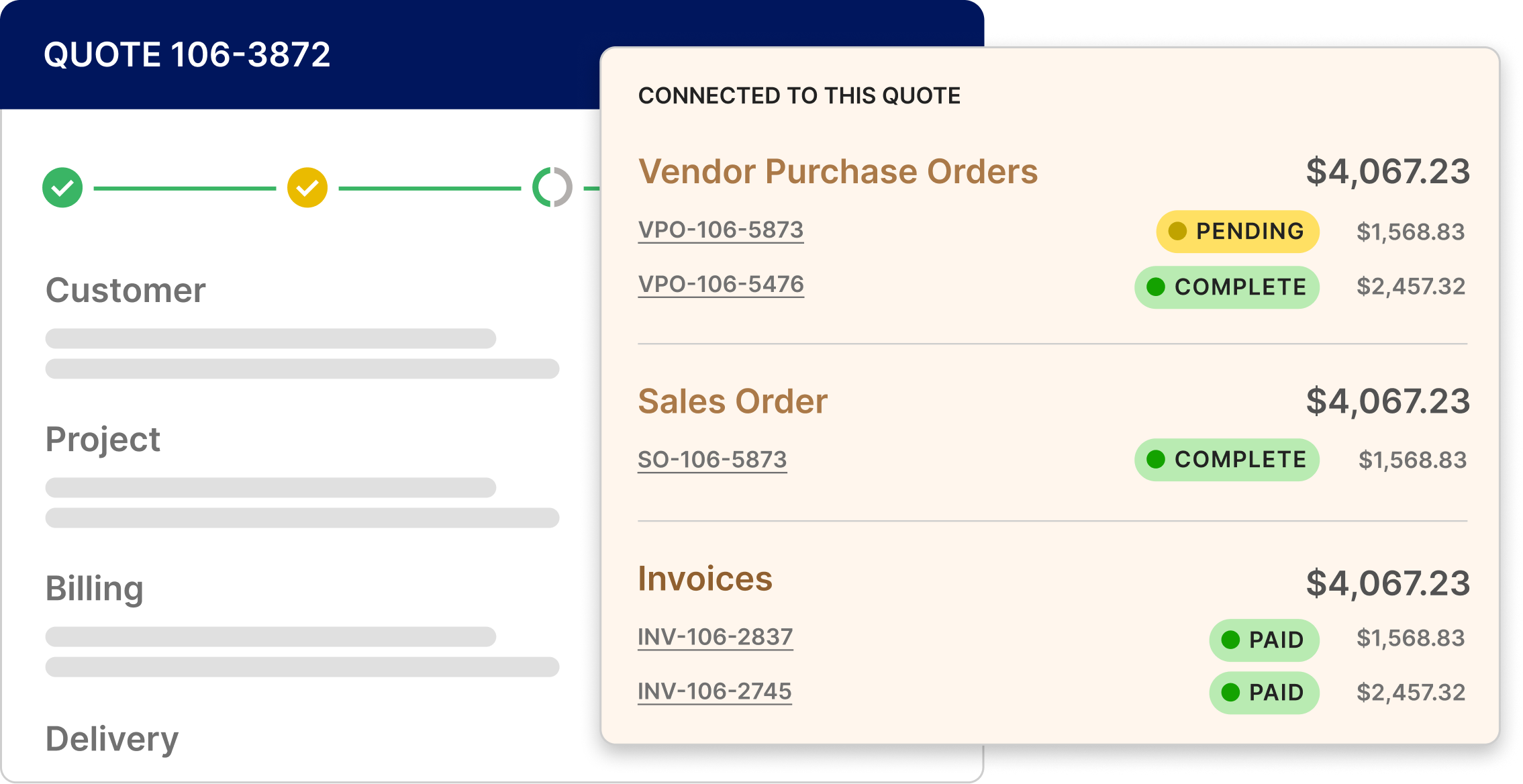
OmniView Construct keeps sales, purchasing, inbound, fulfillment, invoicing, tasks, and project activity connected to the same operational record.
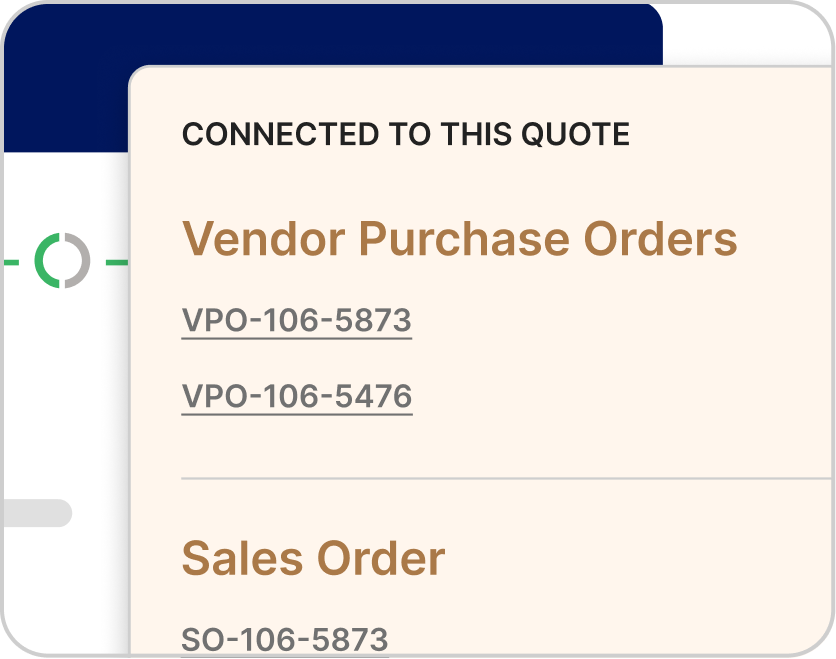
Sales orders without a vendor purchase order are visible before the customer asks. Confirmed vendor purchase orders can move to inbound so the warehouse team can see what is coming. Late invoices, aging balances, and draw-date timing can surface before payment slips. The information that used to require a walk across the office now has a place in the system.
The OmniView Approach
Open work surfaces where teams already work.
OmniView answers the questions teams chase every day: Has this been ordered? Has it reached inbound? What is waiting on a vendor? Which invoice needs attention? Instead of relying on side conversations, paper files, or someone’s memory, teams work from connected views that show what needs action and who owns the next step.
Visibility turns into follow-through through rules-based tasks and alerts. Purchasing can see missing VPOs, warehouse teams can see expected inbound materials, accounting can catch payment risk, and managers can watch open work across departments before it turns into another customer call.

Fewer missed steps turn into customer problems.

Teams spend less time chasing basic status.

Open work has a clear owner and next step.

Managers see what needs attention before it stalls.
“OmniView has made running this business so much simpler. It’s built for the way we sell lumber and millwork, with quotes, orders, inventory and invoicing in one system instead of three. I can spend my energy moving the business forward instead of fighting the software.”

“This has taken so much frustration out of my day. Quotes become orders without retyping, and I can see what’s on hand without walking into the warehouse. When something didn’t work the way we needed, they changed it. It feels like we have a team behind us that actually listens.”
“My day just runs smoother now. The office schedules deliveries, I see what’s next on my phone, and nobody has to call to find out where I am. Less back-and-forth, less guesswork—I can get on with the job knowing we’re all on the same page.”