
Common LBM Problem
The job gets handed off until the details disappear.
A customer accepts a quote, but the work still has to move through sales, purchasing, the warehouse, fulfillment, invoicing, and delivery. Each team needs the right detail at the right time, from vendor requirements and inbound materials to held items, delivery notes, and proof of what happened at the jobsite.
When every department works from its own notes, files, conversations, or system, each handoff becomes another place for something to disappear. A missing hinge delays an install. A held door screen gets lost in a crowded warehouse. A delivery dispute has no proof behind it. The job may keep moving, but only because people are filling the gaps the system was never built to close.

OmniView Construct Solution
Every step stays tied to the same job.
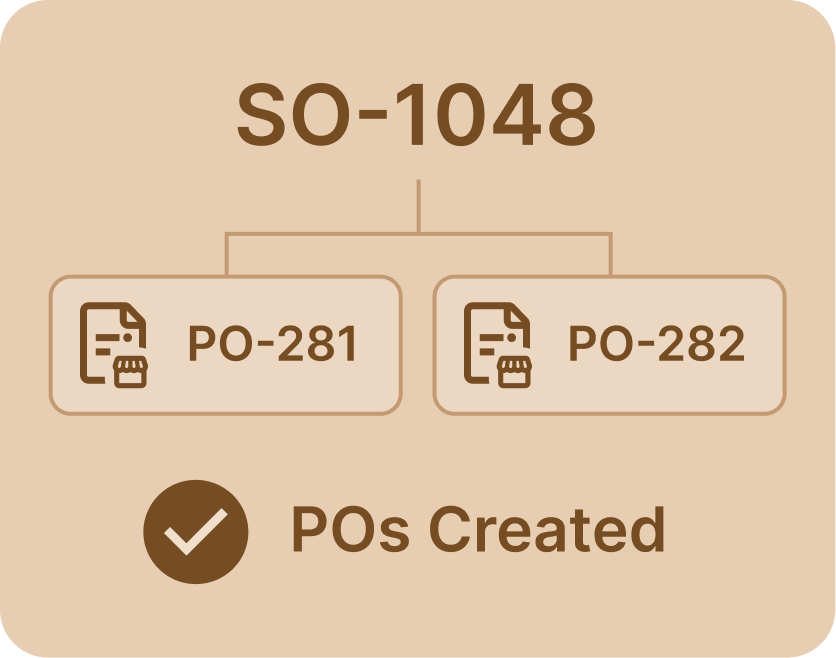
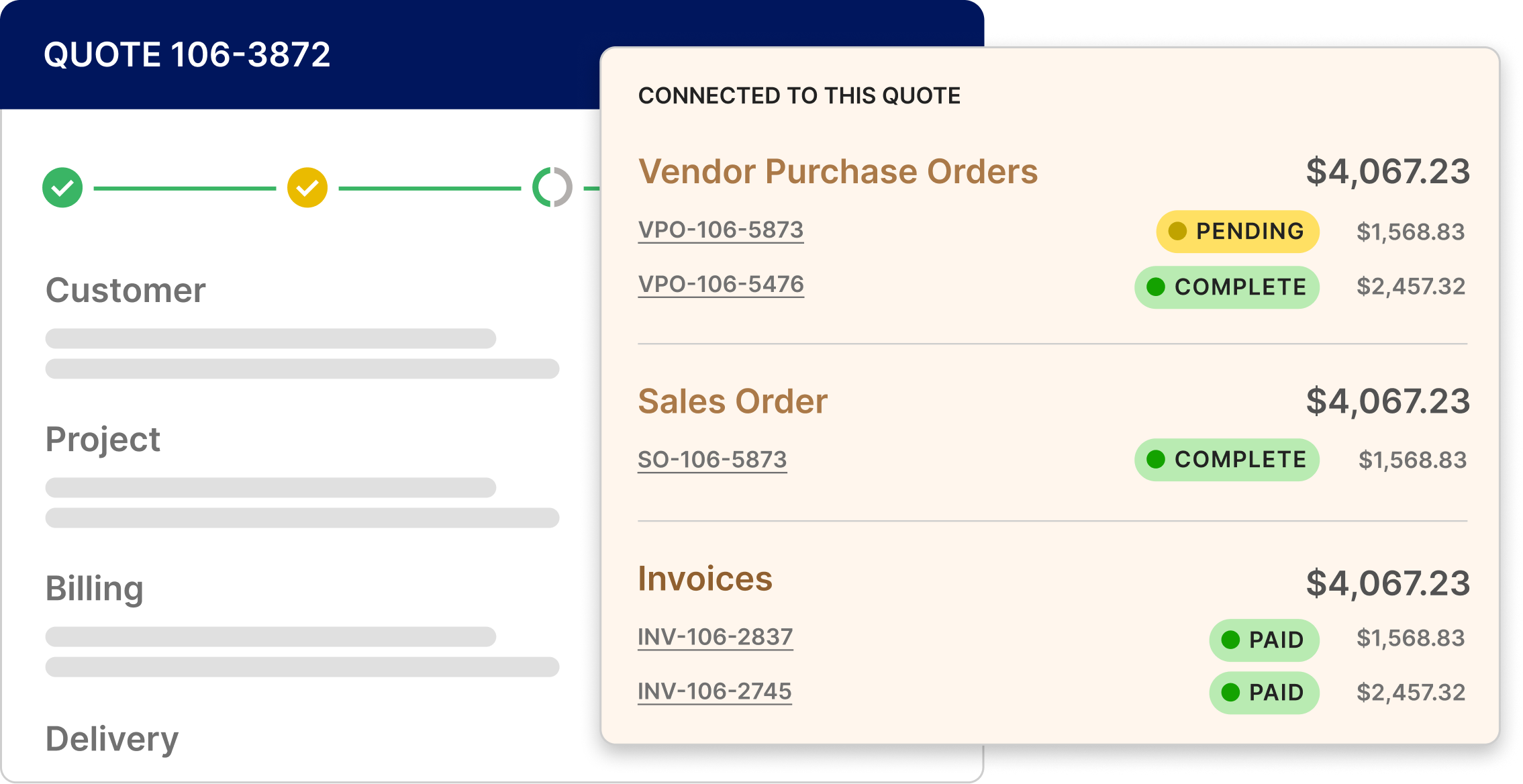
When a vendor purchase order is confirmed, it can move to inbound so the warehouse team sees what is coming before it arrives. Vendor detail, quantities, and customer context stay attached without a separate handoff from purchasing.
From there, fulfillment works from the same order and project record sales and purchasing built upstream. Held items stay connected to the customer and order. Delivery photos document condition at drop-off.
The OmniView Approach
The record moves with the work.
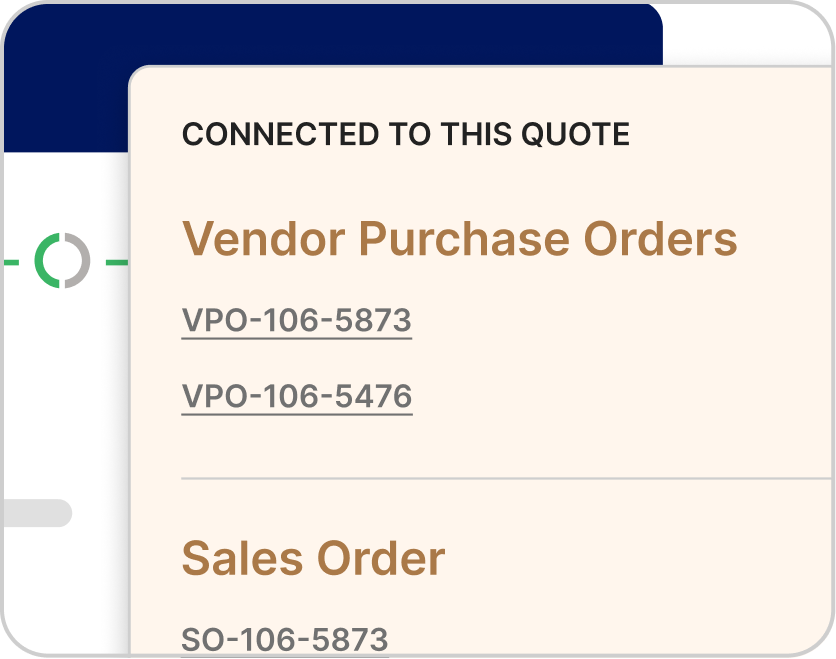
OmniView carries approved quote and order detail into the workflows that follow. Purchasing works from the sales order, confirmed VPOs can move to inbound, and the warehouse team can see what is coming before it arrives.
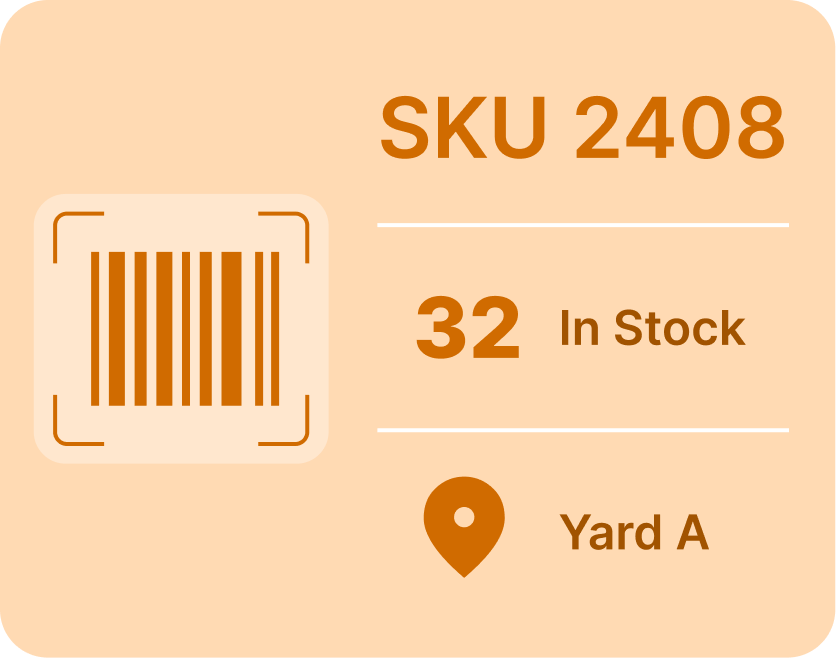
That matters because LBM work rarely moves in one clean line. Large products, small hardware, partial arrivals, held materials, and delivery timing all need to stay visible as the job moves from team to team. A missing hinge can delay an install just as quickly as a missed purchase order.

Quote detail carries forward

Confirmed VPOs can move to inbound.

Held items stay tied to the customer and order.

Delivery photos support proof at drop-off.
Fulfillment works from the same record.
“OmniView has made running this business so much simpler. It’s built for the way we sell lumber and millwork, with quotes, orders, inventory and invoicing in one system instead of three. I can spend my energy moving the business forward instead of fighting the software.”

“This has taken so much frustration out of my day. Quotes become orders without retyping, and I can see what’s on hand without walking into the warehouse. When something didn’t work the way we needed, they changed it. It feels like we have a team behind us that actually listens.”
“My day just runs smoother now. The office schedules deliveries, I see what’s next on my phone, and nobody has to call to find out where I am. Less back-and-forth, less guesswork—I can get on with the job knowing we’re all on the same page.”